IQ tests are standardized, meaning the average IQ score across all age groups is always set at 100. Most people fall within the average range, which is typically between 85 and 115. This applies to children as well. So, a 12-year-old boy with an IQ score between 85 and 115 is considered to have average intelligence.
IQ doesn’t necessarily increase with age. Instead, the test measures how a child performs relative to other children in the same age group. A 12-year-old scoring 100 is just as intelligent—on a standard scale—as an adult with the same score.
So, what is the average iq for a 11 year old?
Average IQ for 11 Year Old Boys
At age 11, children are still developing critical thinking and problem-solving skills. However, IQ scores are designed to reflect cognitive performance relative to their peers. Just like with 12-year-olds, the average IQ for an 11-year-old boy is also around 100. A score in the 85-115 range is typical.
Some 11-year-olds may show stronger verbal skills, while others may excel in visual-spatial reasoning. These differences are natural and don’t necessarily mean one child is more intelligent than another.
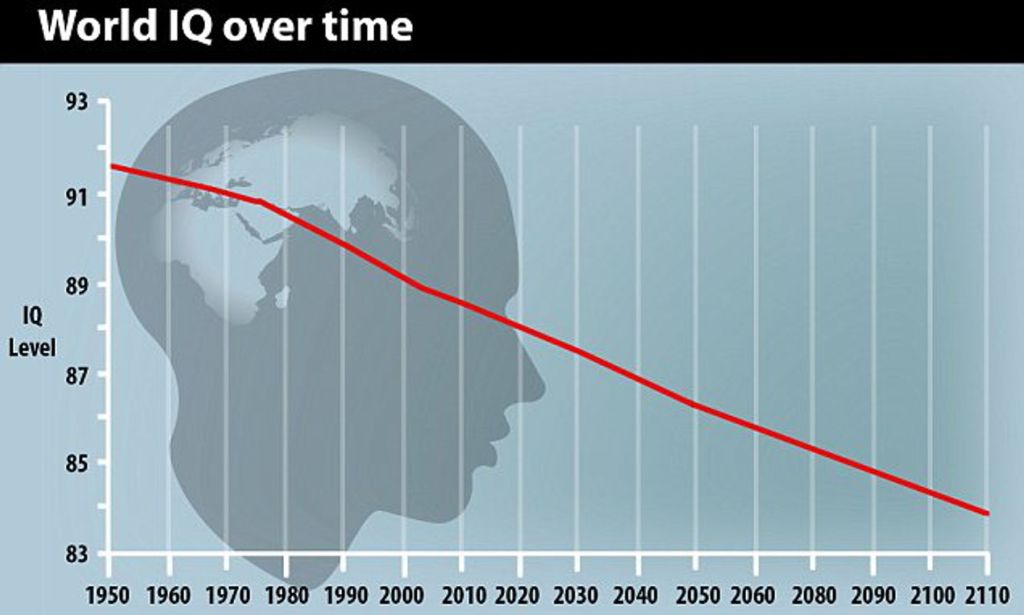
Average IQ for 13 Year Old Boys
Thirteen is a key age when many boys are entering early adolescence. Brain development continues rapidly, especially in areas linked to decision-making and emotional regulation. However, the average IQ score remains consistent at around 100.
Because the IQ test is age-adjusted, a 13-year-old with an IQ of 100 is right where they should be when compared to their peers. High scores may indicate strong abstract reasoning or memory skills, but that doesn’t always correlate with school performance or creativity.
Average IQ for 14 Year Old Boys
At 14, boys are usually in high school and encountering more complex subjects like algebra, literature, and science. Even so, the average IQ score stays the same—around 100.
Some 14-year-old boys may begin to develop more advanced reasoning abilities, while others might still be catching up. These variations are normal, and IQ scores only provide a limited snapshot of a child’s overall potential. Other factors like emotional intelligence, motivation, and social skills play a big role in academic and personal success.
Why the Average IQ Stays the Same Across Ages
It’s important to remember that IQ tests are norm-referenced, meaning scores are calculated based on how a child performs compared to others their age. This keeps the average IQ for each age group at about 100.
So whether a boy is 11, 12, 13, or 14, an average IQ score will still hover around 100. A lower or higher score doesn’t define a child’s worth or future success—it simply shows how they perform in specific types of cognitive tasks at a certain moment in time.
Final Thoughts
IQ scores can offer some insight into a child’s cognitive strengths, but they don’t tell the whole story. Many children develop at different paces and excel in different areas. Encouragement, education, and emotional support are just as important as any number on a test. Whether your child is 11, 12, 13, or 14, focus on their unique strengths and support their growth in all areas of life.
 What is the Average IQ for a 12 Year Old Boy (and 11 Year Old, 13 Year Old, 14 Year Old)